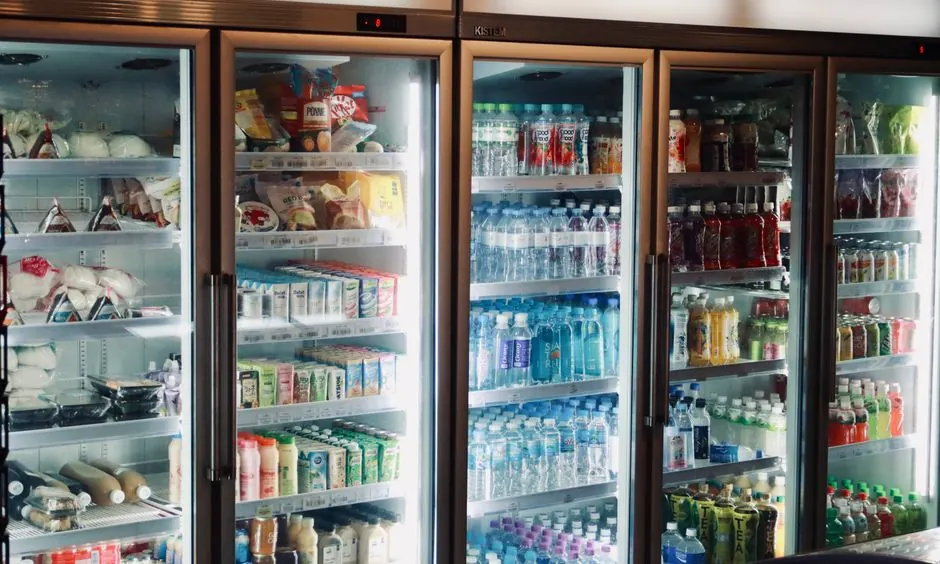
Common refrigerator issues in Long Beach include cooling failures, leaks, and unusual noises. Recognizing these problems early can save you time and money on repairs.
A refrigerator is an essential appliance that keeps your food fresh and safe. When it malfunctions, it can lead to spoiled groceries and increased energy bills. This article explores common issues that Long Beach residents may encounter with their refrigerators and provides practical solutions.
What are common refrigerator issues?
Long Beach homeowners often face several common refrigerator issues, including:
- Not cooling properly
- Leaks from the bottom or back
- Strange noises
- Frost buildup in the freezer
- Unpleasant odors
Each of these problems can indicate different underlying issues, and understanding them can help you take appropriate action.
Why is my refrigerator not cooling?
A refrigerator not cooling in Long Beach can stem from several causes, such as a faulty compressor, dirty condenser coils, or a malfunctioning thermostat. If your refrigerator is not cooling, check the temperature settings first. The ideal temperature for a refrigerator is between 35°F and 38°F. If the settings are correct, inspect the condenser coils, which should be clean and free of dust.
In some cases, the issue may be more complex, requiring refrigerator not cooling repair in California to diagnose and fix the problem. If you notice a significant difference in temperature or if the compressor is running constantly, it's best to consult a professional.
What to do if your refrigerator is leaking?
If you notice water pooling around your refrigerator, it's crucial to address the issue immediately. Common causes of leaks include a clogged defrost drain, a damaged door seal, or a malfunctioning water supply line. Start by checking the door seals for any cracks or gaps that might allow warm air in, causing condensation.
Next, inspect the defrost drain, which can become clogged with debris. If you cannot resolve the leak yourself, consider contacting California Fridge Repair services for assistance.
Why is my refrigerator making strange noises?
Strange noises from your refrigerator can be alarming. Common sounds include buzzing, clicking, or hissing. Buzzing often indicates that the compressor is running, which is normal. However, if the noise is loud or persistent, it may be a sign of a failing compressor or a problem with the evaporator fan.
Clicking noises can indicate that the start relay is malfunctioning, while hissing sounds may be due to refrigerant flow. If the noises persist or worsen, it's advisable to seek refrigerator repair in California to avoid further damage.
Common mistakes to avoid with refrigerators
Many homeowners unknowingly contribute to refrigerator issues through common mistakes. Here are a few to watch out for:
- Overloading the fridge, which can block air vents and impede airflow.
- Neglecting regular cleaning of condenser coils, which can lead to overheating.
- Ignoring unusual noises or signs of malfunction.
- Failing to check the door seals for damage or wear.
By avoiding these mistakes, you can prolong the life of your refrigerator and maintain its efficiency.
When to call a professional
Knowing when to call a professional can save you time and money. If you encounter issues such as persistent cooling problems, frequent leaks, or strange noises that you cannot identify, it's time to seek help. Professional services like refrigerator repair in Long Beach can diagnose and resolve these issues effectively.
Frequently Asked Questions
1. How often should I clean my refrigerator coils?
You should clean your refrigerator coils at least twice a year to ensure optimal performance.
2. What temperature should my refrigerator be set at?
The recommended temperature range for refrigerators is 35°F to 38°F.
3. How can I prevent my refrigerator from leaking?
Regularly check and clean the door seals and defrost drain to prevent leaks.
4. What should I do if my refrigerator is making loud noises?
Investigate the source of the noise and consider contacting a professional if it persists.
5. How can I tell if my refrigerator needs repair?
Signs include cooling issues, leaks, unusual noises, or a significant increase in energy bills.